Waist-to-Hip Ratio Calculator
Calculate your waist-to-hip ratio and assess your cardiovascular risk based on fat distribution.
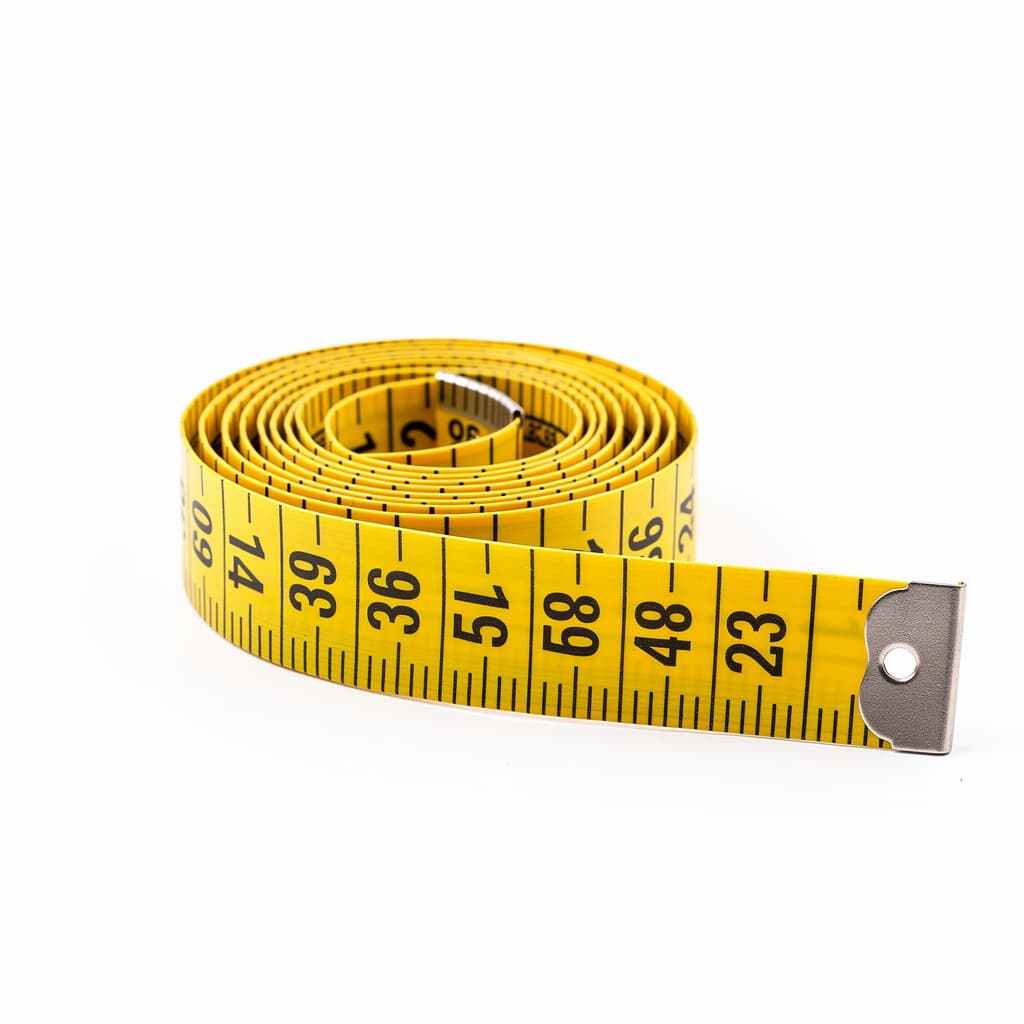
Waist-to-Hip Ratio: A Better Cardiovascular Risk Indicator Than BMI
Where you store fat matters as much as how much fat you carry. Visceral fat — the fat packed around abdominal organs — is metabolically active, producing inflammatory cytokines and free fatty acids that impair insulin function, raise blood pressure, and promote cardiovascular disease. Subcutaneous fat (under the skin at hips and thighs) is relatively benign by comparison.
The waist-to-hip ratio captures this distinction. People who carry more weight in their hips and thighs (pear shape, lower WHR) consistently show better metabolic outcomes than those who carry the same weight in their abdomen (apple shape, higher WHR), even when total weight is identical. This is why WHR predicts cardiovascular risk more accurately than BMI in many populations.
Visceral fat is more responsive to diet and exercise than subcutaneous fat, which is good news. When people lose weight through a calorie deficit, visceral fat is typically lost at a disproportionately high rate compared to subcutaneous fat. Aerobic exercise additionally reduces visceral fat even without weight loss. Improving sleep quality and managing chronic stress — which elevate cortisol and preferentially drive belly fat storage — are also impactful interventions.