Meal Planner Calculator
Distribute your daily calories and macros evenly across your preferred number of meals.
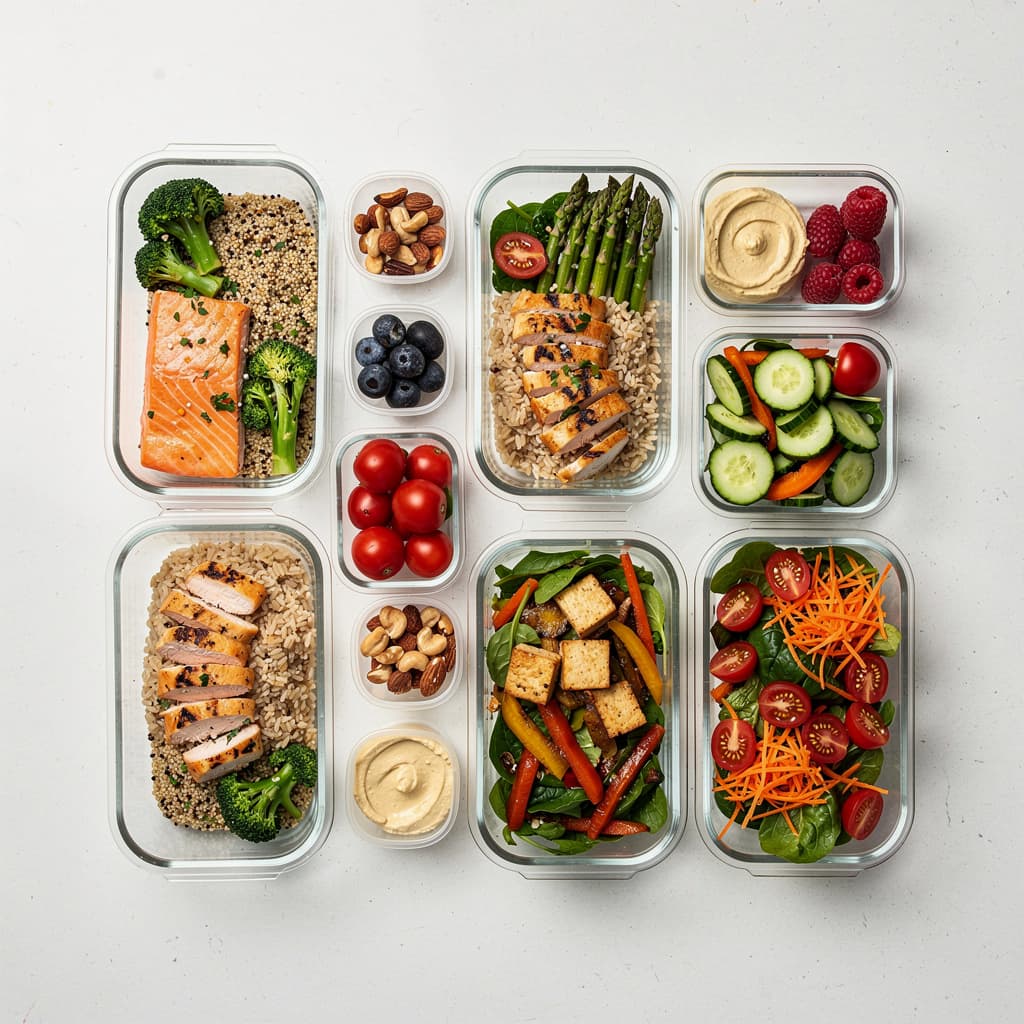
Distributing Your Daily Calories Across Meals
Meal timing and frequency have far less impact on body composition than most people believe. The scientific consensus from metabolic studies is clear: total daily calorie and protein intake drive results, not whether those calories are divided into 2 meals or 6. However, meal distribution matters practically for hunger management, workout performance, and adherence.
Protein distribution is the one meal-timing factor that does have meaningful research support. Eating 30–50g of protein per meal, spread across 3–5 eating occasions, produces more total muscle protein synthesis over 24 hours than eating the same total protein in 1–2 large meals. This is because each protein-containing meal triggers a bout of muscle synthesis that lasts 3–5 hours — more bouts per day means more total time spent in an anabolic state.
The practical implication: prioritize including protein in breakfast (often the lowest-protein meal for most people) and spreading total protein intake more evenly throughout the day. Shifting protein from dinner to breakfast and lunch doesn't require eating more food — just redistributing what you already eat.