Alcohol Calorie Calculator
Calculate the calories in alcoholic drinks and see how they fit into your daily calorie budget.
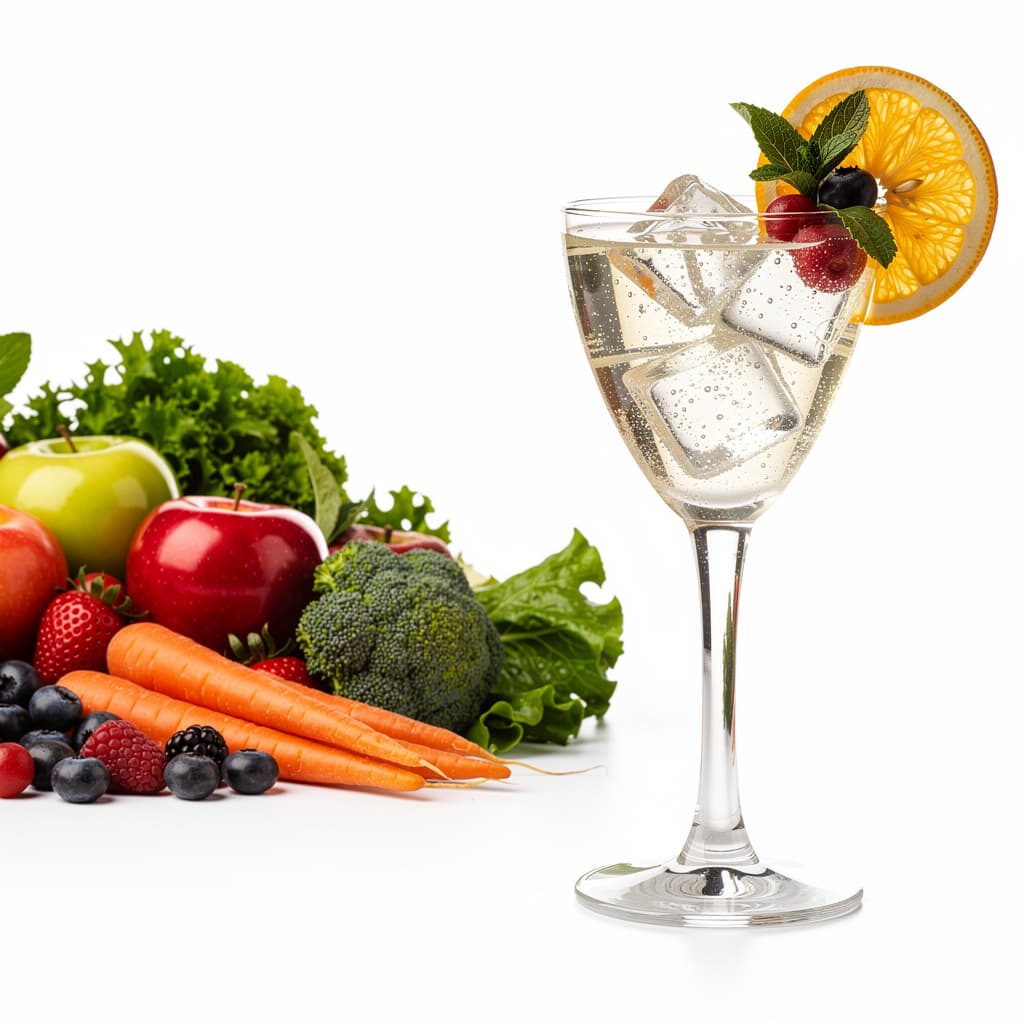
Alcohol and Fat Loss: What Actually Happens
Alcohol is a macronutrient in the sense that it contains calories (7 kcal/gram), but unlike protein, carbohydrates, and fat, it has no essential biological function and provides no micronutrients. The body treats alcohol as a toxin and prioritizes its metabolism above all other energy sources — meaning fat oxidation is essentially paused while alcohol is being processed. This metabolic pause does not directly cause fat storage, but it delays fat burning for several hours after drinking.
The indirect calorie effects of alcohol often exceed the direct calories. Alcohol reliably increases appetite and reduces dietary restraint (the "beer munchies" phenomenon), leading to post-drinking overeating that dwarfs the calories in the drinks themselves. Cocktails compound the issue: a margarita can contain 250–350 calories from a combination of alcohol, sugar, and triple sec — the mix adding more calories than the spirits.
For those monitoring body composition, alcohol can be incorporated strategically. Budget the calories (choose lower-calorie options like dry wine or spirits with soda water), time consumption around less important training days, and prioritize sleep quality (alcohol disrupts REM sleep, impairing recovery). Moderate, planned drinking is compatible with fat loss goals; frequent heavy drinking disrupts the hormonal environment — particularly testosterone and cortisol — in ways that meaningfully impair body composition over months.