Cheat Meal Impact Calculator
Calculate how a cheat meal or high-calorie day affects your weekly calorie budget and weight loss progress.
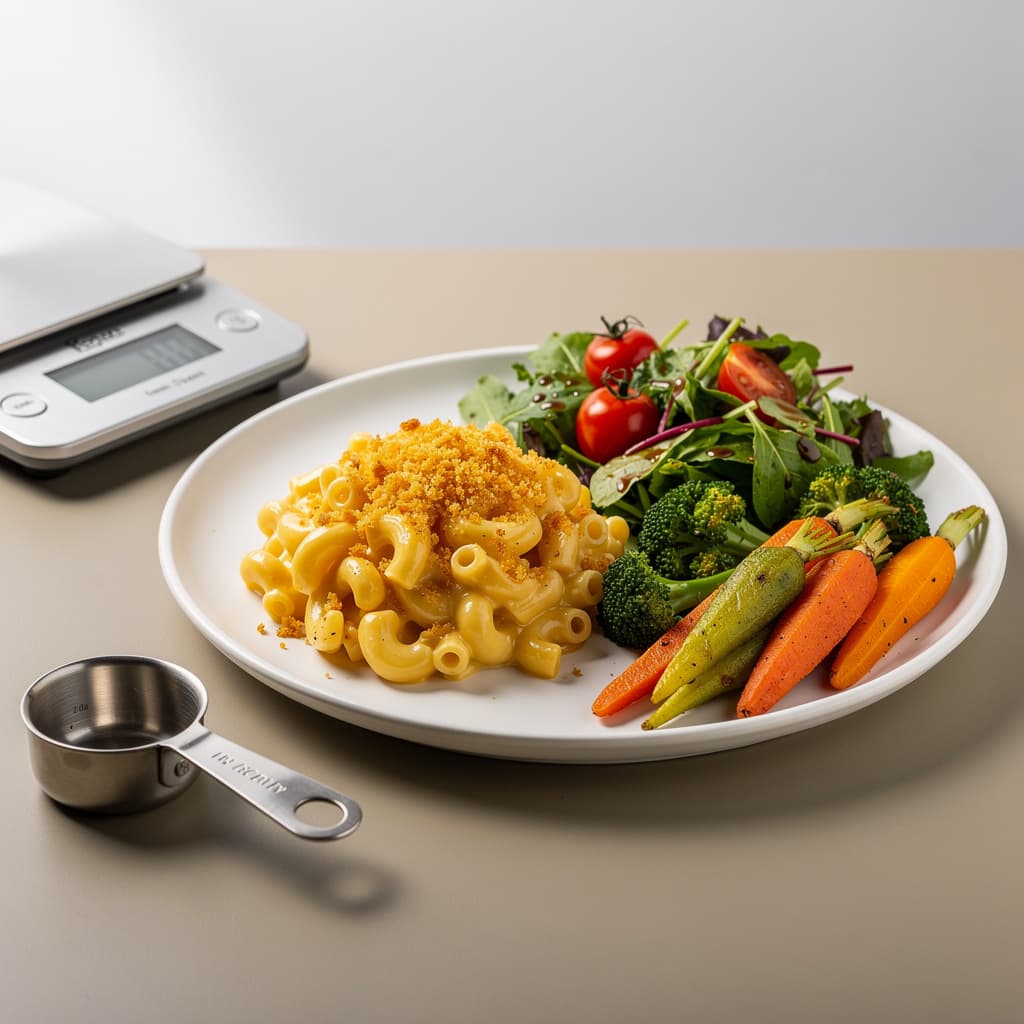
The Real Math Behind Cheat Meals
Cheat meals carry enormous psychological weight in diet culture, but the actual caloric math is often more forgiving than people fear. A 3,000-calorie cheat meal above a 1,800-calorie daily target means consuming 1,200 extra calories relative to your plan. At 3,500 calories per pound of fat, that represents about 0.34 lbs of theoretical fat gain — a fraction of what the scale will show due to glycogen and water retention.
The scale spike after a cheat meal is primarily water, not fat. High-carbohydrate and high-sodium foods cause the body to retain 3–6 lbs of water within 12–24 hours. This is completely reversible within 2–4 days of returning to normal eating. Dieters who weigh themselves daily and see this spike often abandon their plans unnecessarily — understanding the mechanism prevents this mistake.
Planned cheat meals have legitimate physiological and psychological benefits during extended caloric restriction. Leptin, a key hunger-regulating hormone, falls progressively during a diet as fat stores decrease. Higher-calorie days temporarily restore leptin toward baseline, reducing hunger and supporting metabolic rate. Psychologically, having a scheduled cheat meal reduces the sense of deprivation that leads to binge eating. The key is "planned" — uncontrolled cheat meals that extend to full weekends can easily erase an entire week's deficit.